Inca culture and spirituality is a deep and living tapestry woven with the threads of Andean cosmovision, a profound reverence for nature, and a harmonious relationship with the cosmos. For the Incas, the world was a sacred landscape where mountains, rivers, and the sky itself were powerful deities. A journey to the heart of this ancient culture is not just a visit to ruins, but an opportunity to connect with a timeless wisdom that continues to resonate today.
A World Woven from Spirit and Earth
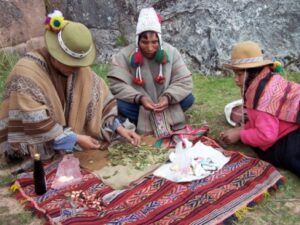
Inca spirituality was a holistic system that intertwined every aspect of life, from agriculture to daily rituals. Unlike many religions with a single, all-powerful god, the Incas worshipped a pantheon of deities that represented the forces of the natural world. This was a reciprocal relationship: humans gave offerings and respect to the gods, and in return, the gods provided fertile land, rain, and protection.
The Deities and Their Sacred Roles
The Incas believed in three realms of existence—the upper world (Hanan Pacha), the earthly world (Kay Pacha), and the inner world (Ukhu Pacha)—and their deities inhabited and influenced each.
- Inti (The Sun God): The most revered deity, Inti was the source of light, warmth, and life. The Incas considered themselves Children of the Sun, and Inti’s cult was fundamental to the empire’s power. The magnificent Qorikancha (Temple of the Sun) in Cusco was the epicenter of his worship.
- Pachamama (Mother Earth): The enduring and beloved goddess of fertility and abundance, Pachamama is a living deity in the Andes to this day. She embodies the earth, and offerings are made to her before planting and harvesting to ensure an abundant season. Her presence is felt in every field, every mountain, and every stone.
- Wiracocha (The Creator God): As the supreme creator, Wiracocha was believed to have shaped the universe and created the sun, moon, and all of humanity. Although not as widely worshipped as Inti, he held a significant place in the Inca pantheon as the ancient source of all creation.
- The Apus (Mountain Spirits): The mountains were not just physical landmarks; they were powerful, protective spirits known as Apus. These «lords» were revered as guardians of the communities in their valleys and were believed to influence the weather and the success of crops. Mountains like Ausangate and Salkantay are still considered sacred Apus by the Quechua people.
A Living Legacy
Although the Inca Empire fell centuries ago, its spiritual legacy is very much alive. The traditions of reciprocity, the reverence for Pachamama and the Apus, and the use of sacred plants are all part of a vibrant cultural heritage that can be experienced today. The ancient stones of Machu Picchu, the fertile land of the Sacred Valley, and the majestic peaks of the Andes are not just tourist attractions; they are a direct and personal connection to the living spirituality of the Incas.
Call to Action
Are you ready to have an experience that will change your perspective forever?
Discover our healing retreats and connect with the sacred energy of the Andes.