The Q’ero People Worship and Rituals are a living expression of the ancient Inka worldview, preserved for centuries in the remote highlands of the Andes. These practices connect humans with Pachamama (Mother Earth), the Apus (Sacred Mountains), and cosmic forces through offerings, prayers, and ceremonies that follow the Andean calendar.
Sacred Worship in Q'ero Tradition
For the Q’ero, worship is not limited to a religious space — the entire natural world is sacred. Ceremonies often take place at mountain peaks, near rivers, or in highland fields, as these are considered places where spiritual energy flows more strongly. The act of worship involves gratitude, reciprocity (ayni), and maintaining balance between humans and the spirit world.
Ritual Practices and Offerings
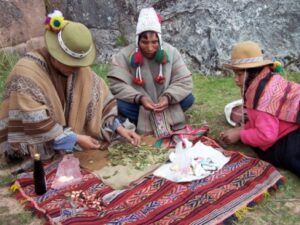
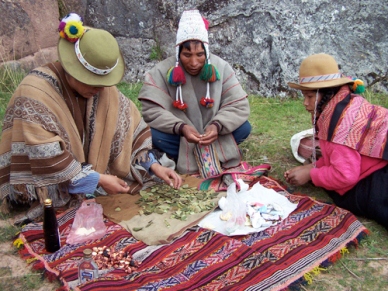
Central to Q’ero rituals is the Despacho Ceremony, an elaborate offering made to Pachamama and the Apus. This bundle contains symbolic items such as coca leaves, flowers, grains, and sweets, arranged with deep intention. Each element carries a specific meaning, and the entire ritual is guided by a Paqo (Andean priest) who channels the community’s prayers into the offering.
The Role of the Paqo
Paqos are the spiritual guides and healers of the Q’ero community. They are trained from a young age in reading coca leaves, connecting with the spirits of nature, and performing energy cleansing rituals. Their work is seen as a sacred service to both the people and the earth.
Spiritual Connection and Reciprocity
Q’ero worship practices are grounded in ayni — the principle of reciprocity. Every offering to nature is also a request for blessings, whether for good harvests, protection, or healing. This exchange maintains harmony between humans, nature, and the spiritual realm.
Experience these ancestral practices with Memory Q’ero and connect with the wisdom of the high Andes.
🔗 Discover our spiritual journey packages